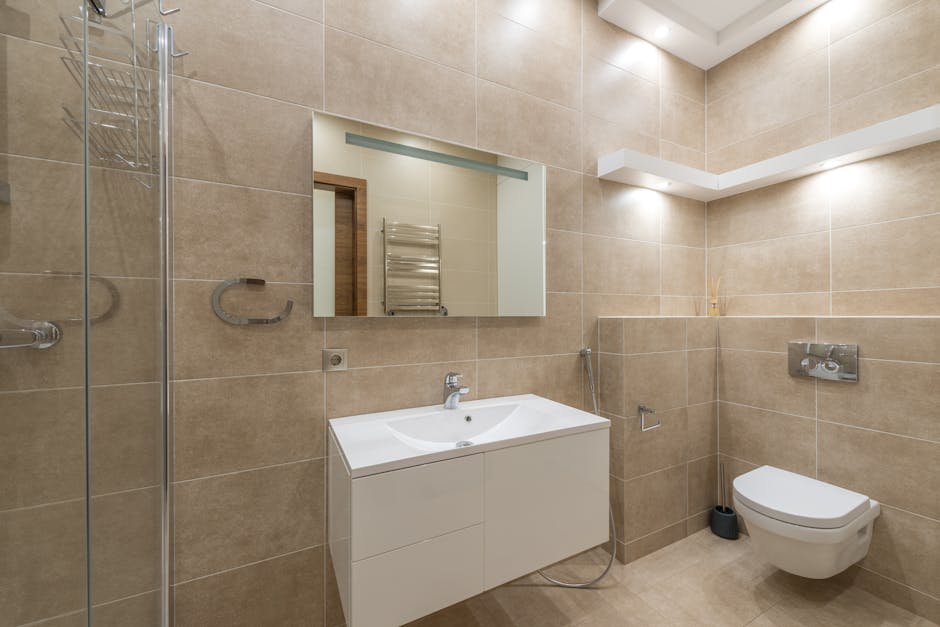
Choosing between porcelain vs ceramic tiles bathroom options can be challenging for a Lake City, UT bathroom remodel. Both porcelain tiles and ceramic tiles offer durability, style, and water resistance, but their differences impact cost, maintenance, and longevity.
Homeowners looking to update their bathrooms should understand how porcelain's dense composition compares to ceramic's more porous nature, influencing wear and moisture absorption. Additionally, the installation process and design versatility vary between these materials, affecting the overall remodel outcome.
Understanding these key distinctions helps Lake City residents make informed decisions tailored to their bathroom size, budget, and desired aesthetic. Exploring the pros and cons of porcelain vs ceramic tiles bathroom choices ensures a successful remodel that balances function and style in this specific climate and home environment.
Quick Takeaways for Lake City Bathroom Tiles
- Porcelain tiles offer higher durability and water resistance, ideal for bathroom environments in Lake City, UT.
- Ceramic tiles are generally more affordable and easier to cut and install, suitable for various bathroom designs.
- Porcelain ceramic tiles typically require denser materials and specialized installation techniques compared to ceramic.
- Lake City’s humidity and climate factors make selecting moisture-resistant tiles crucial to prevent water damage and mold growth.
- Homeowners should consider long-term maintenance costs and aesthetic preferences when choosing between these two tile materials.
Comparing Porcelain and Ceramic Tiles: Key Characteristics for Bathroom Use
Homeowners in Lake City considering tiles for bathroom remodels often weigh the differences between porcelain and ceramic tiles. Both options are made from clay but differ significantly in composition and manufacturing processes, which impact their suitability for bathroom environments.
Porcelain tiles are fired at higher temperatures, resulting in a denser, less porous material that offers enhanced water resistance, a critical factor in wet spaces like bathrooms.
In contrast, ceramic tiles are generally more porous due to a less intense firing process, which can affect their ability to repel moisture. This characteristic makes ceramic tiles more susceptible to water absorption and potential mold growth if not properly sealed.
However, ceramic tiles typically provide a wider variety of surface finishes and textures, allowing for greater design flexibility in Lake City bathroom projects.
Key Characteristics Comparison for Bathroom Tiles
- Water Resistance: Porcelain tiles excel with lower porosity, reducing water absorption and risk of damage.
- Density and Durability: Porcelain's dense composition makes it harder and more resistant to cracking under stress.
- Surface Finish: Ceramic tiles offer diverse finishes, including glazed options that mimic natural stone or wood.
- Maintenance Needs: Porcelain requires less frequent sealing due to its impermeability; ceramic may need periodic sealing.
- Aesthetic Options: Both tile types offer extensive color and pattern choices, though ceramic often leads in decorative variety.
Understanding these fundamental distinctions helps Lake City homeowners choose tiles that not only enhance bathroom aesthetics but also meet functional demands posed by moisture and daily use. Professional contractors typically recommend assessing these characteristics alongside specific bathroom conditions to select the most appropriate tile material.
Durability and Water Resistance: Which Tile Performs Better in Lake City Bathrooms?
When considering durability and water resistance for a bathroom remodel in Lake City, UT, the differences between porcelain and ceramic tiles become critical. Porcelain tiles typically exhibit a denser composition due to their manufacturing process, which involves firing at higher temperatures.
This results in a tile that is more resistant to moisture penetration and less prone to chipping or cracking under stress.
Ceramic tiles, while still durable, generally have a more porous surface, making them slightly more susceptible to water absorption. In bathroom environments where constant exposure to water and humidity is expected, this can increase the risk of water damage and mold growth if grout and sealants are not properly maintained.
However, ceramic tiles can still perform well with adequate sealing and upkeep.
Key Durability and Water Resistance Factors for Lake City Bathrooms
- Porcelain Tiles: Superior density and water resistance ideal for high-moisture areas.
- Ceramic Tiles: Slightly more porous; requires regular sealing to prevent moisture issues.
- Impact Resistance: Porcelain generally withstands wear and tear better, reducing risks of cracking.
- Maintenance Needs: Ceramic tiles may demand more frequent attention to grout and sealant integrity to avoid water damage.
Professional contractors in Lake City often recommend porcelain tiles for bathroom remodels where long-term durability and minimal moisture intrusion are priorities. Homeowners looking for a balance between cost and performance might consider ceramic tiles but should prepare for increased maintenance to mitigate potential water-related issues.
Cost, Installation, and Maintenance Considerations for Porcelain and Ceramic Bathroom Tiles
Homeowners in Lake City, UT, evaluating cost factors for porcelain and ceramic bathroom tiles should expect that porcelain tiles generally carry a higher price point. This difference stems from the denser material composition and the more complex manufacturing process associated with porcelain.
Typically, ceramic tiles offer a more budget-friendly alternative while still providing adequate performance for bathroom environments.
Installation complexity also varies between these two tile types. Porcelain tiles, due to their hardness and lower porosity, often require specialized cutting tools and more precise handling. This can lead to increased labor costs and longer installation times.
Conversely, ceramic tiles are generally easier to cut and install, making them a practical choice for many Lake City bathroom remodel projects.
Maintenance Requirements
When considering maintenance, both tile types offer relatively low upkeep, but subtle differences exist. Porcelain tiles have a denser surface that resists water absorption, stains, and mold growth, reducing the need for frequent sealing or intensive cleaning.
Meanwhile, ceramic tiles may require periodic sealing of grout lines to prevent water damage and maintain appearance. Homeowners looking for long-term ease should weigh these factors alongside initial cost and installation.
Porcelain vs Ceramic Tiles for Lake City Bathroom Remodels: Which is Better?
| Option | Pros | Cons | Best For |
|---|---|---|---|
| Porcelain Tiles | High density and low water absorption minimize water damage risk; durable surface resists wear; variety of finishes for modern looks | Higher cost per sq ft; installation requires skilled labor; heavier weight can complicate handling | High-traffic bathrooms and areas prone to moisture exposure; homeowners prioritizing long-term durability |
| Ceramic Tiles | Lower upfront cost; easier installation due to lighter weight; wide design options suitable for various styles | Higher water absorption increases mold growth risk if not properly sealed; less durable in heavy-use environments; may require more frequent maintenance | Budget-conscious remodels; bathrooms with lower moisture levels; homeowners seeking design flexibility |
| Glazed Porcelain Tiles | Smooth, impervious surface enhances water resistance; stain-resistant; easy to clean in bathroom environments | Surface can be slippery when wet; higher installation complexity; premium pricing | Bathrooms requiring high hygiene standards; homeowners focused on aesthetic appeal and water protection |
| Textured surface offers slip resistance; cost-effective ; easier to repair or replace individual tiles | Porous nature raises warranty and mold concerns ; requires regular sealing ; less suited for wet areas | Bathrooms with controlled moisture; homeowners prioritizing safety over aesthetics; budget remodels needing slip resistance |
Frequently Asked Questions
Which tile type is better for preventing mold growth in bathrooms?
Porcelain tiles generally have a lower water absorption rate than ceramic tiles, making them more effective at resisting mold growth and water damage in bathroom environments. Homeowners looking to minimize moisture-related issues often prefer porcelain for its superior durability and resistance to water infiltration.
Are porcelain tiles more expensive to install in Lake City bathrooms?
Porcelain tiles typically cost more than ceramic tiles due to their denser composition and longer firing process. Installation may also be pricier because porcelain is harder to cut and requires specialized tools.
Local contractors in Lake City, UT, usually reflect these factors in their pricing, so homeowners should expect higher material and labor costs when choosing porcelain.
How do maintenance requirements differ between porcelain and ceramic tiles?
Ceramic tiles generally require regular sealing to maintain their resistance against water damage, while porcelain tiles often need less frequent maintenance due to their dense, less porous surface. Both types benefit from routine cleaning with non-abrasive products to prevent mold growth and preserve their aesthetic appeal in bathroom settings.
Can ceramic tiles handle the humidity levels typical in Lake City bathrooms?
Ceramic tiles can perform well in typical bathroom humidity if properly installed and sealed. However, their higher water absorption compared to porcelain means they are more susceptible to water damage and mold growth over time, especially in high-humidity environments common in Lake City, UT bathrooms.
What factors influence the choice between porcelain and ceramic for a bathroom remodel?
Homeowners should consider factors like budget, desired aesthetic, durability, and susceptibility to water damage. Porcelain offers enhanced water resistance and longevity but at a higher cost. Ceramic tiles provide a wider range of styles and lower upfront costs but may require more upkeep to prevent moisture-related issues.
Homeowners in Lake City, UT considering porcelain or ceramic tiles for bathroom remodels should weigh factors like water absorption, durability, and maintenance requirements. Both tile types offer distinct advantages that suit different bathroom environments, helping prevent water damage and mold growth when properly installed.
For tailored advice and accurate pricing on porcelain and ceramic tile installation, contact local Lake City tile experts. Get matched with vetted Bathroom Remodel Lake City contractors in Lake City, UT via our -matching form.